oxford field guide
a work in progress// bits and pieces of the city
coats of arms



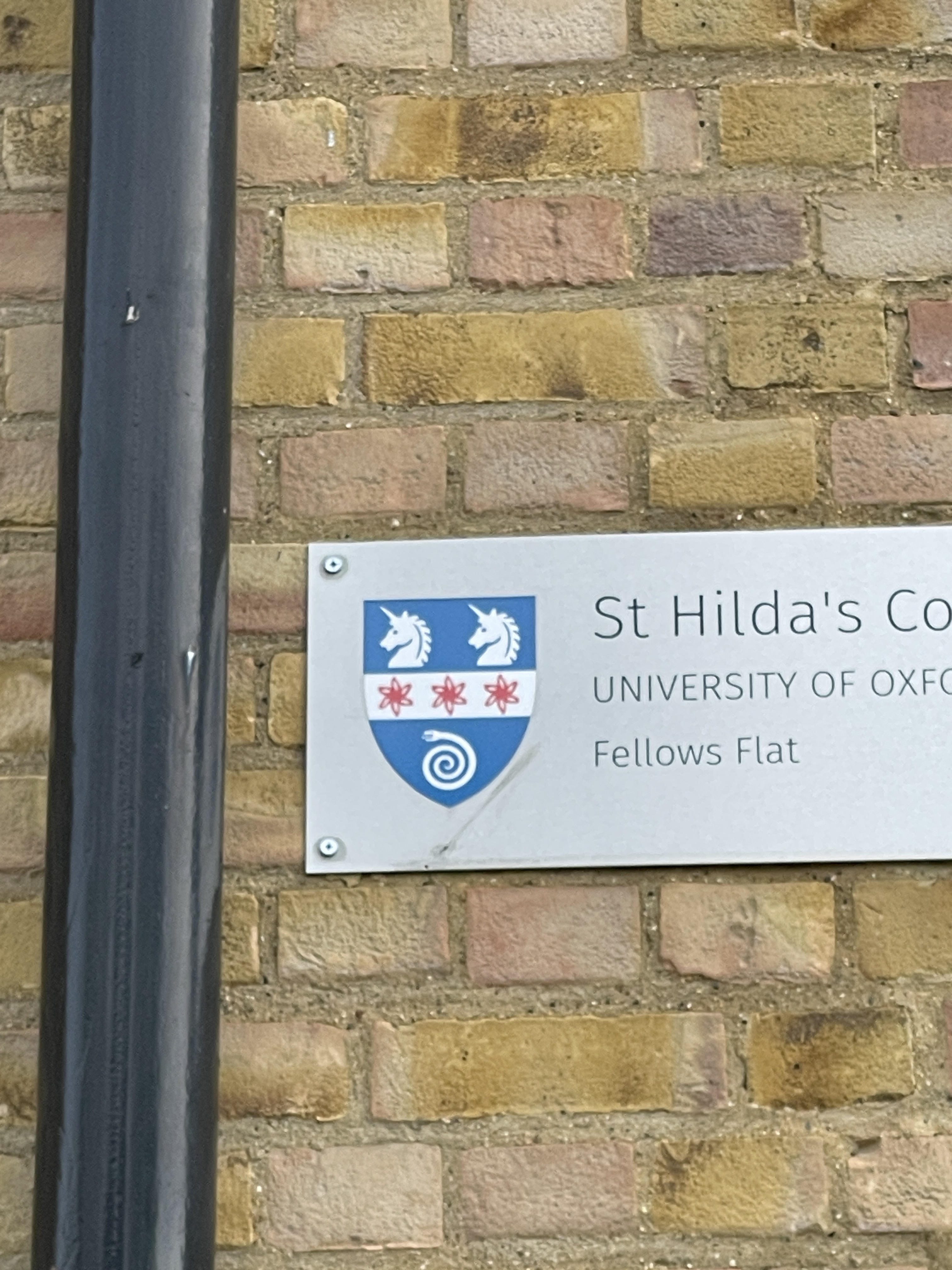


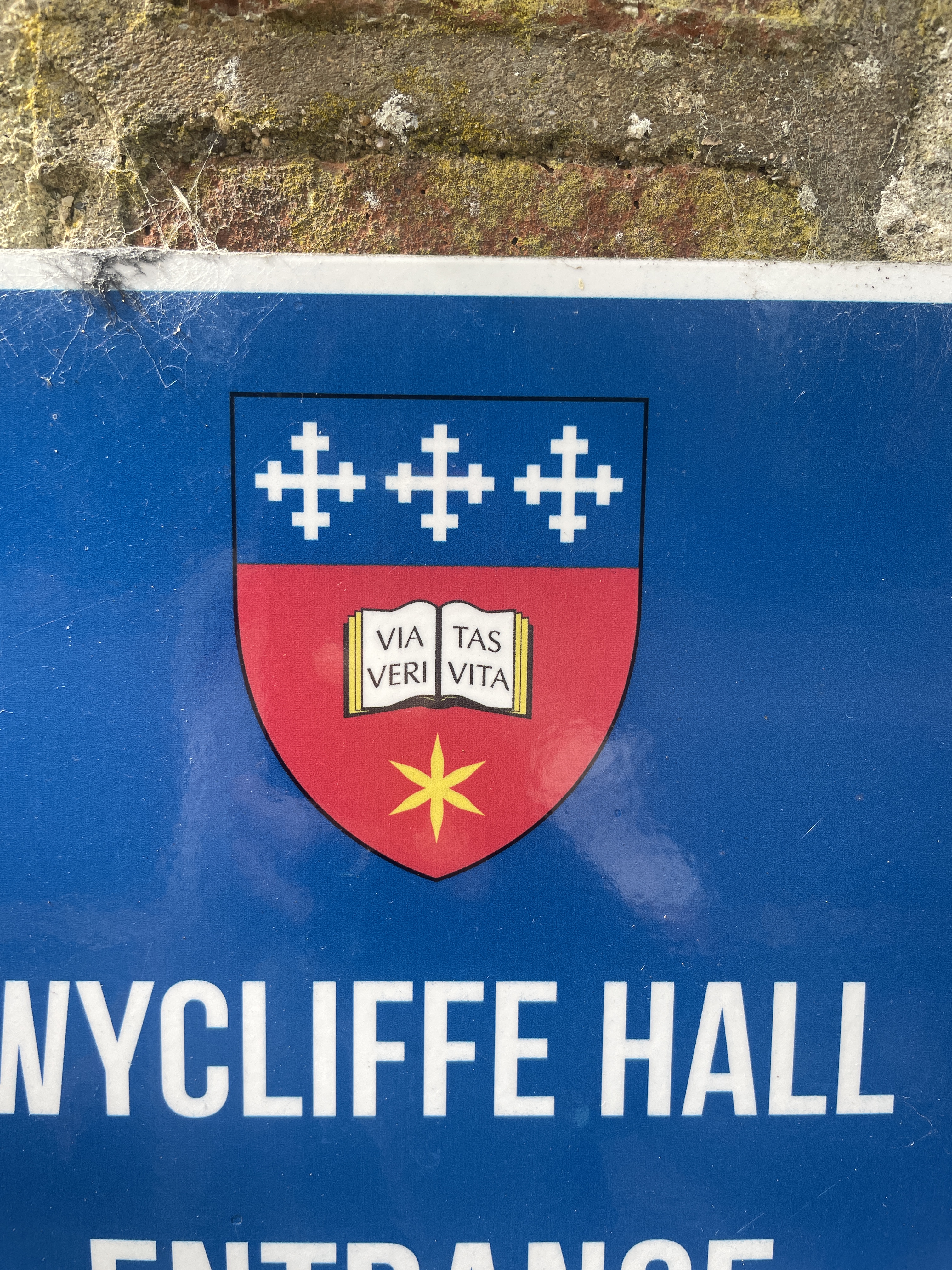
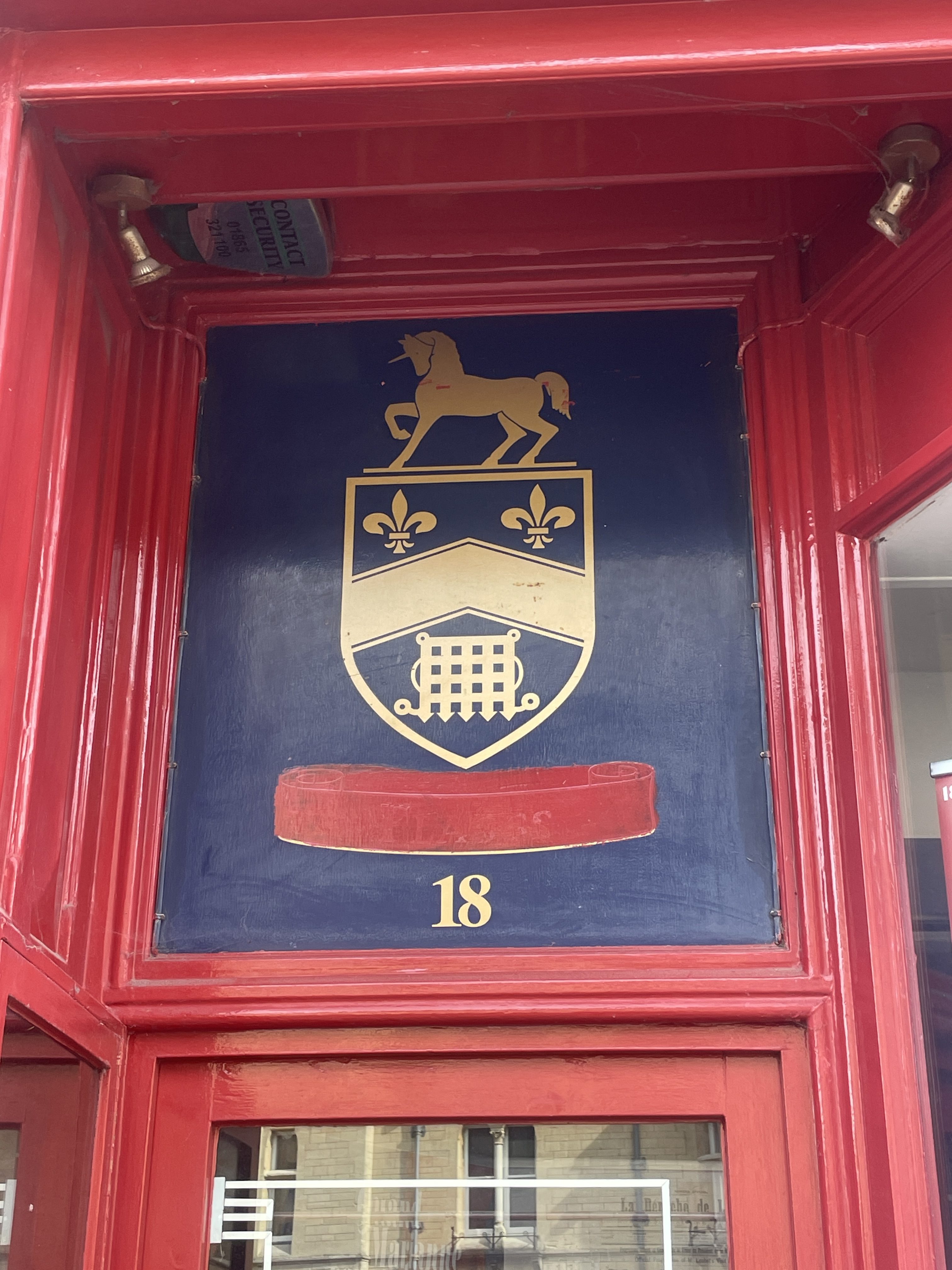

In Oxford, coats of arms are a dime a dozen, etched into or chalked onto college walls, stained glass, park benches, students’ black puffer jackets. Even the city itself has its own coat of arms—a crowned ox standing over waves on the River Thames–which pays homage to Oxford’s (Oxenforda, or “ford of the oxen,” in Old English) roots as a medieval riverside market hub.
Every Oxford college has its own coat of arms. Some—John’s, Merton, Pembroke, Worcester, Lincoln, and the like—lean into the kind of founder worship you’d expect in a city where nearly every building doubles as a monument to some historic benefactor’s deep pockets. Others—Hilda’s, Teddy Hall, Jesus, Peter’s, Exeter—opt for the holy over the hereditary. Seven showcase birds. Two, snakes.
In 1570, heraldic traditions became codified in England. Oxford, being a university town, turned its crest-bearing colleges into miniature fiefdoms (many of the University’s doctoral candidates may tell you that feudalism, in fact, never left). Today, you can walk down any Oxford street and see these symbols still defining the façades of ancient colleges, albeit with chipped edges and faded colors. Like the books in its ancient Bodleian Libraries, Oxford’s coats of arms carry impressions of people, eras, and ideals frozen in time.
street water valve covers and grates


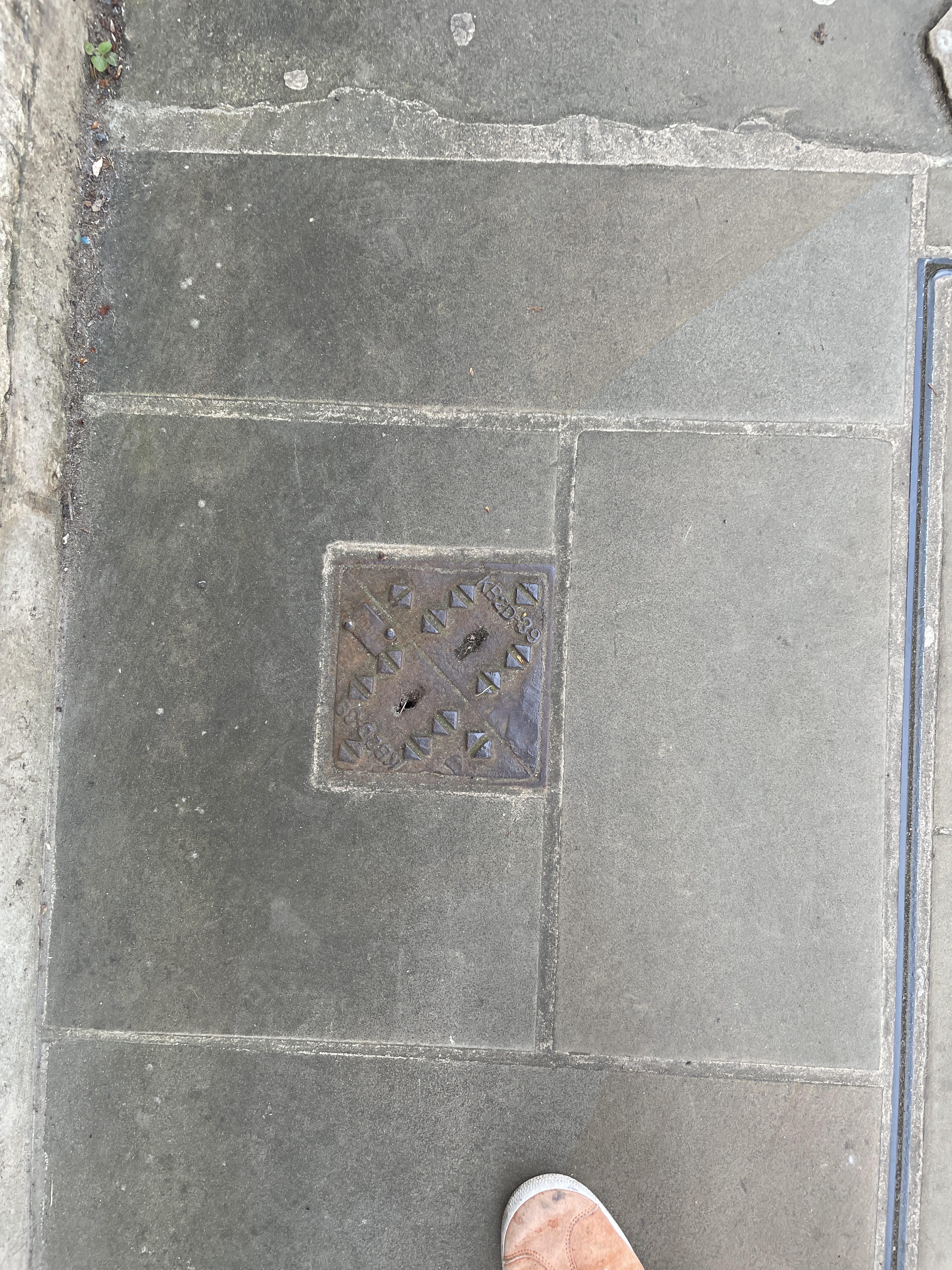


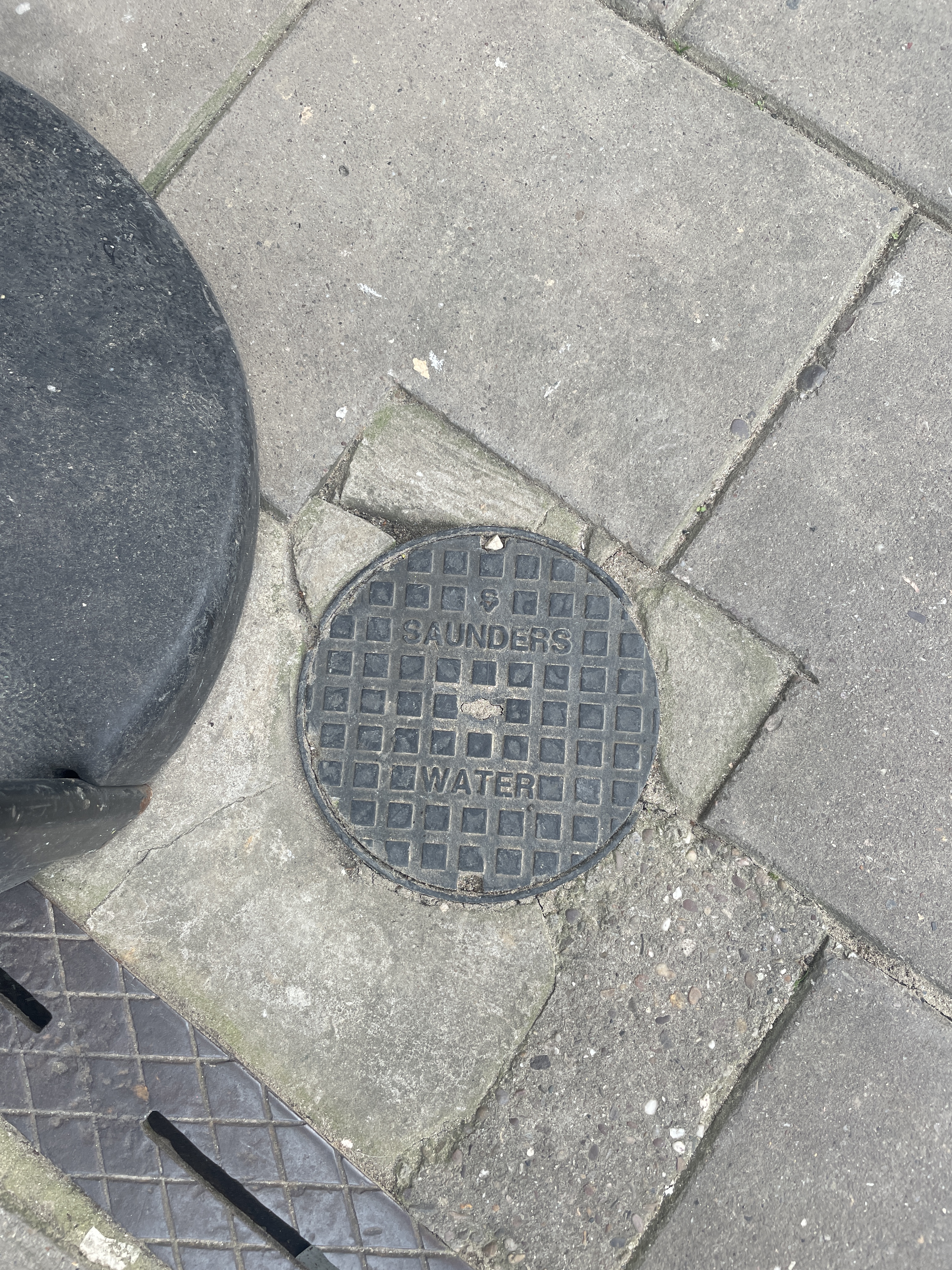
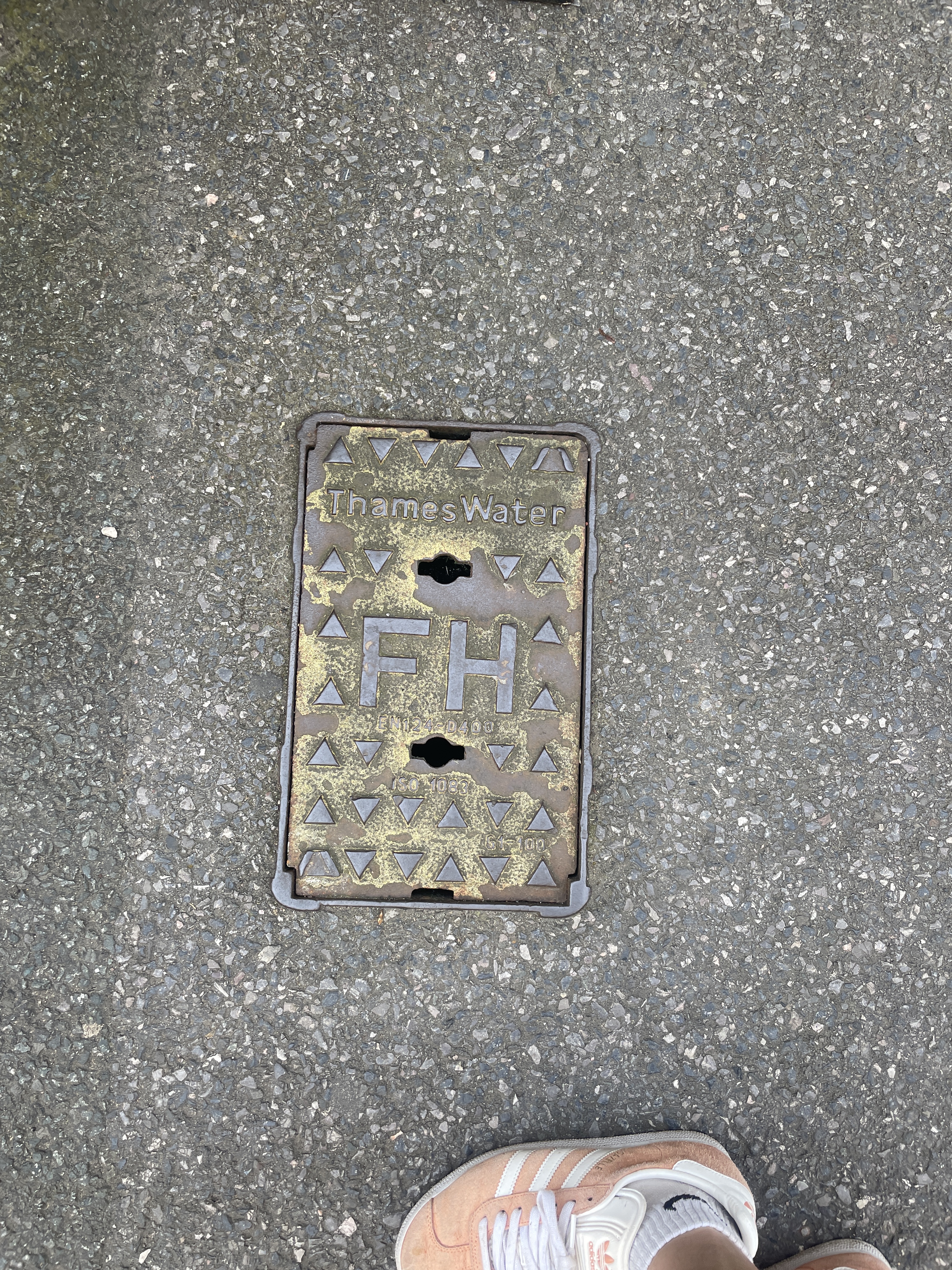
These iron grates and water valve covers scattered across Oxford are the visible entry points to the intricate network of pipes, sewers, and channels that manage the city’s water supply and drainage system. Some lead to storm drains and direct the frequent rainwater (oh, England!) away from streets and straight into the Thames at exactly the right volume to flood the Thames Path for about two thirds of the year.
Much of this system is managed by Thames Water, a company that has become a source of controversy in Oxford and beyond (pandering to shareholders, massive price hikes, mounting debt, and not to mention consistent sewage dumps into its very own namesake body of water). Frequent fines from the Environment Agency for pollution have cast a shadow over Thames Water’s practices and have highlighted the types of problems that can occur when entrusting vital infrastructure to a profit-driven, privately-owned entity.
Some Oxford residents (myself included) enjoy a dip in the river during the warmer months, but admitting to swimming in the Thames will most certainly earn you dirty (no pun intended) looks.
street signs
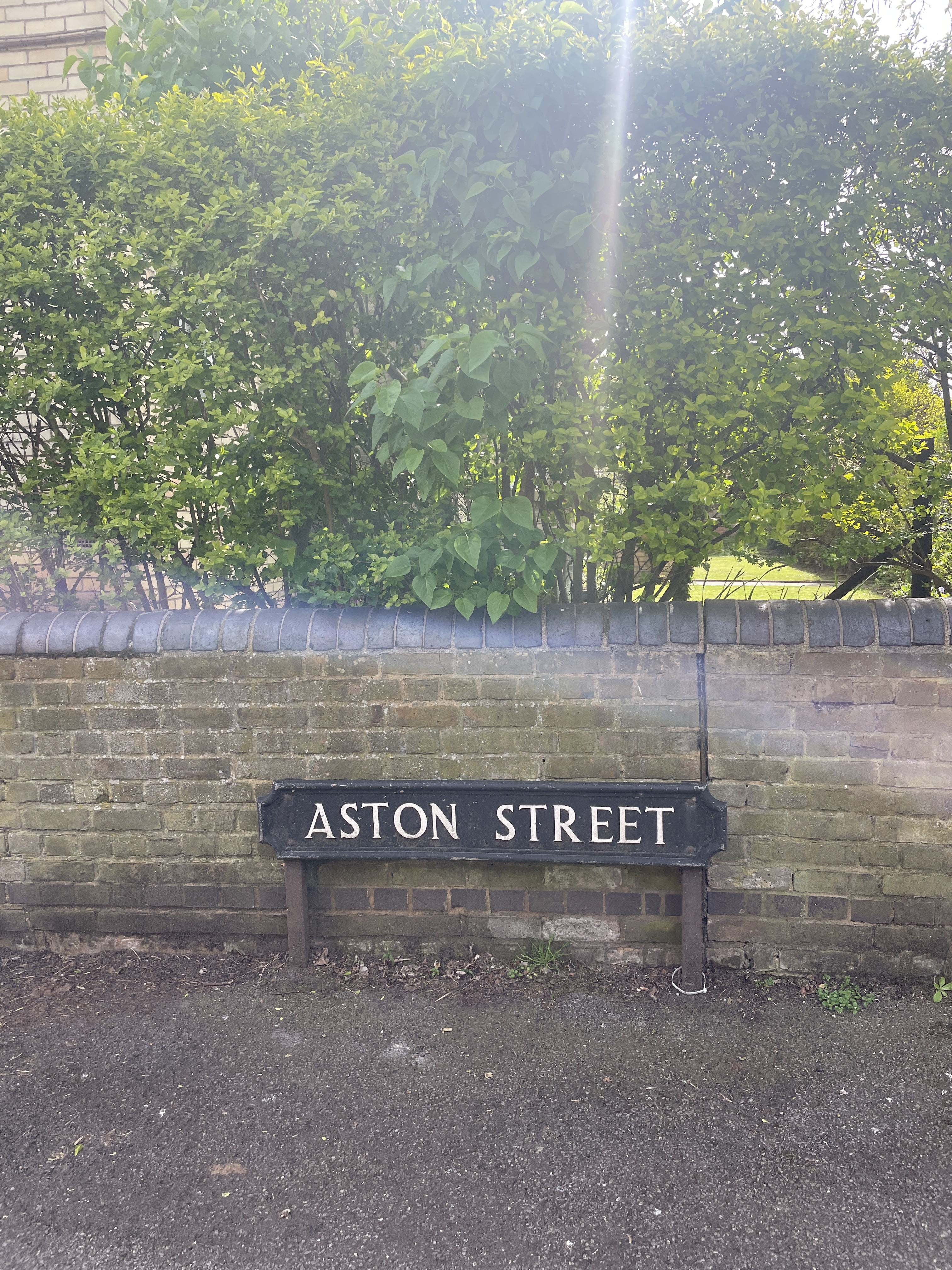
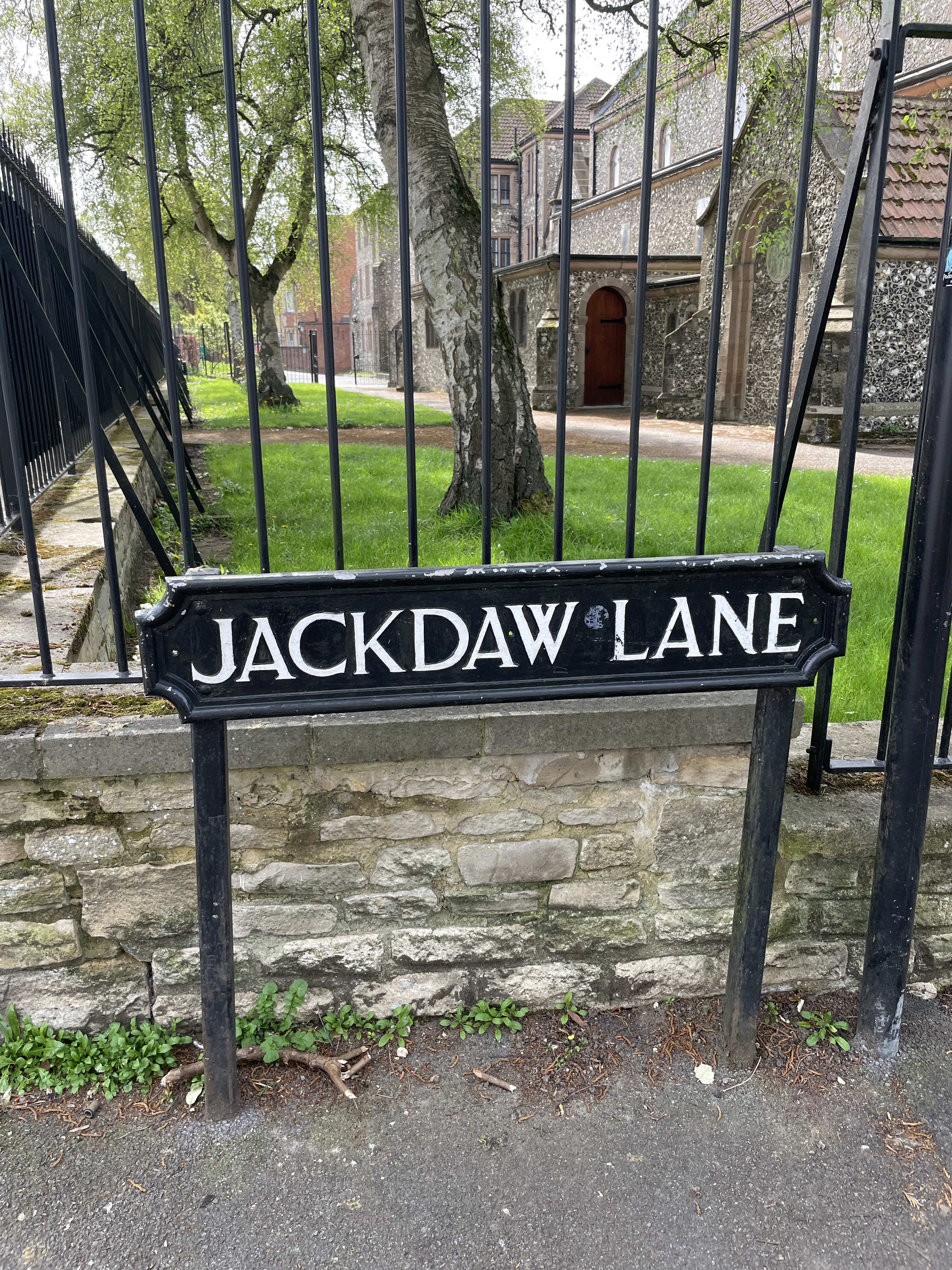


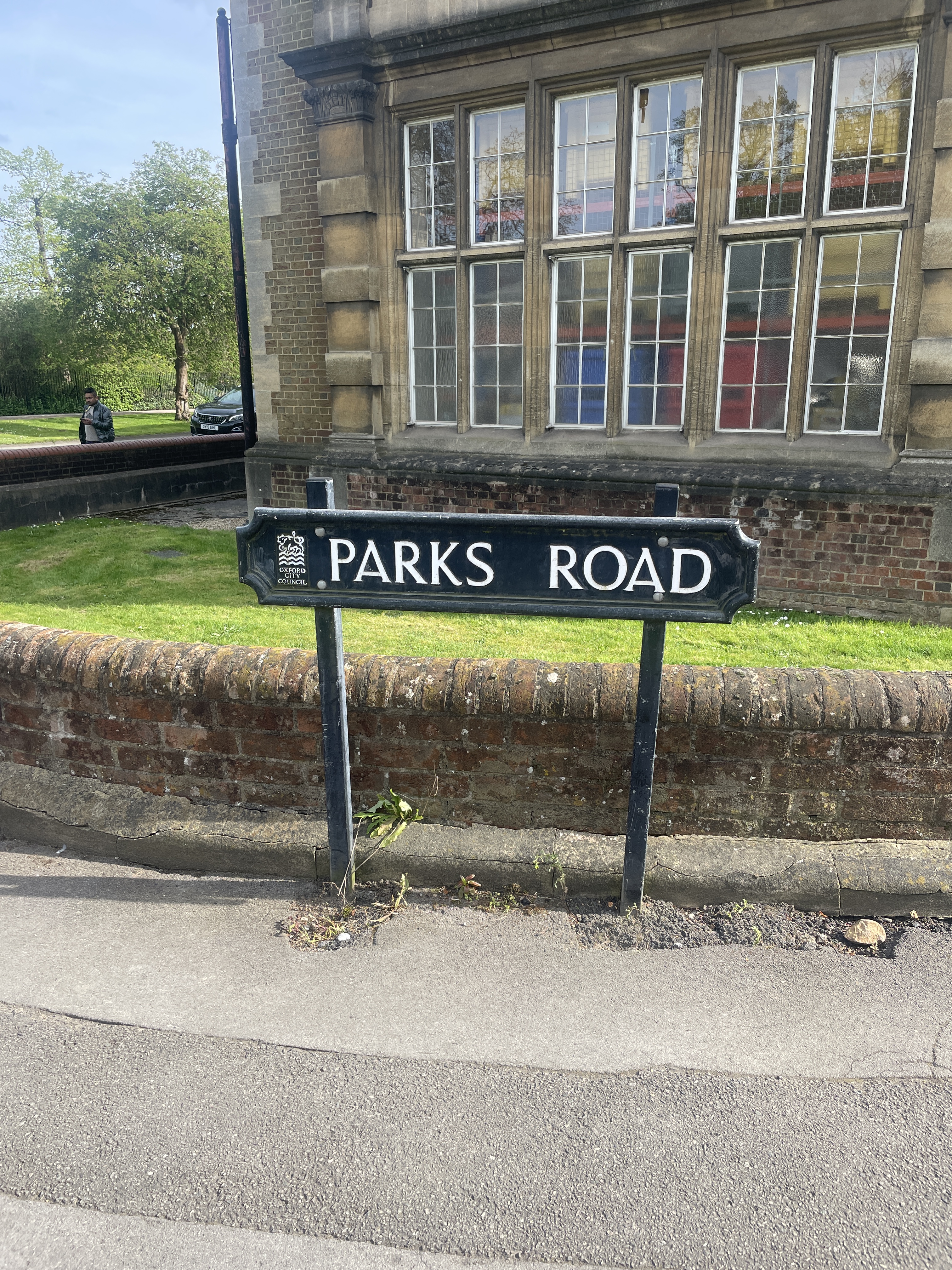

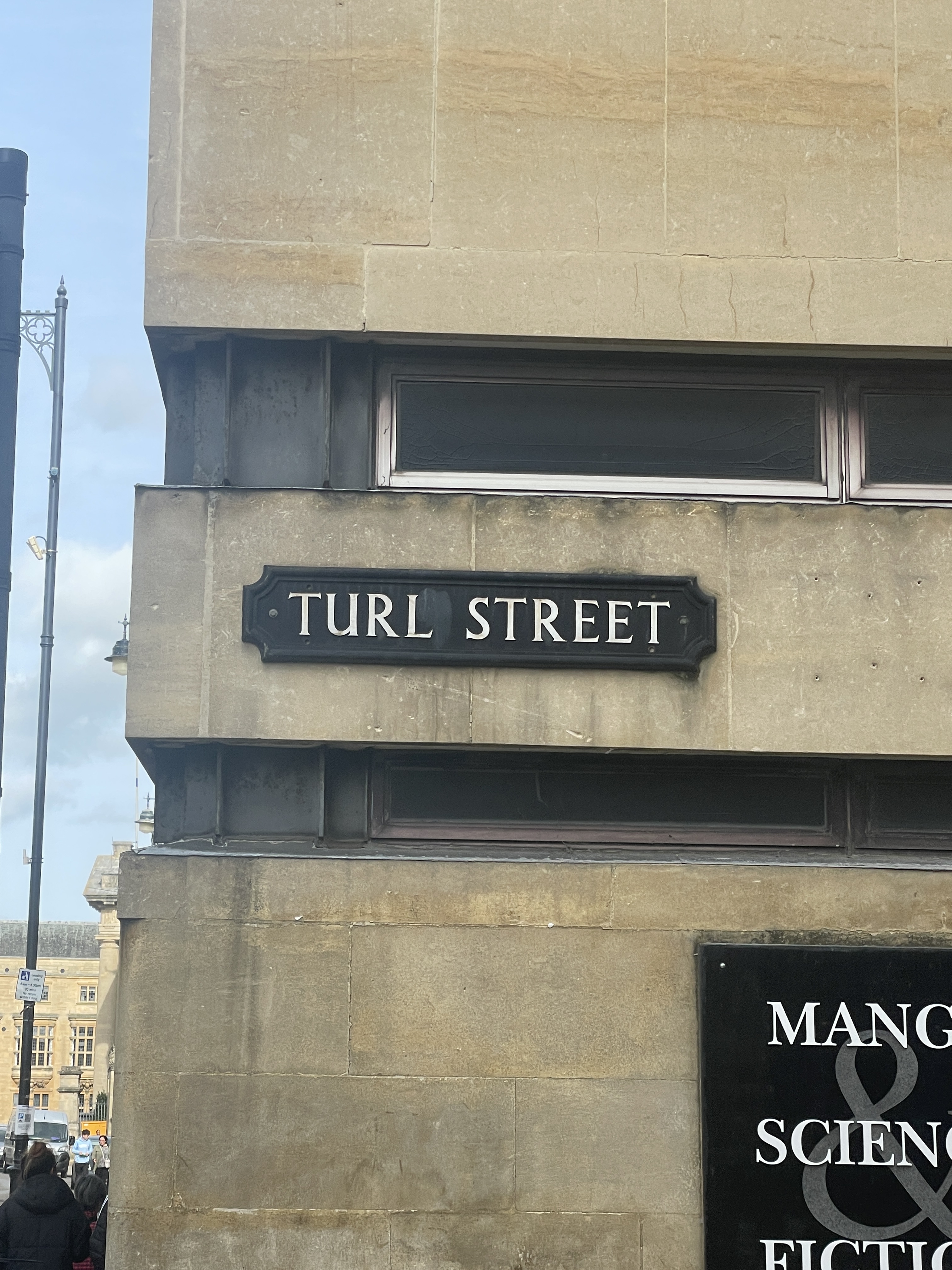
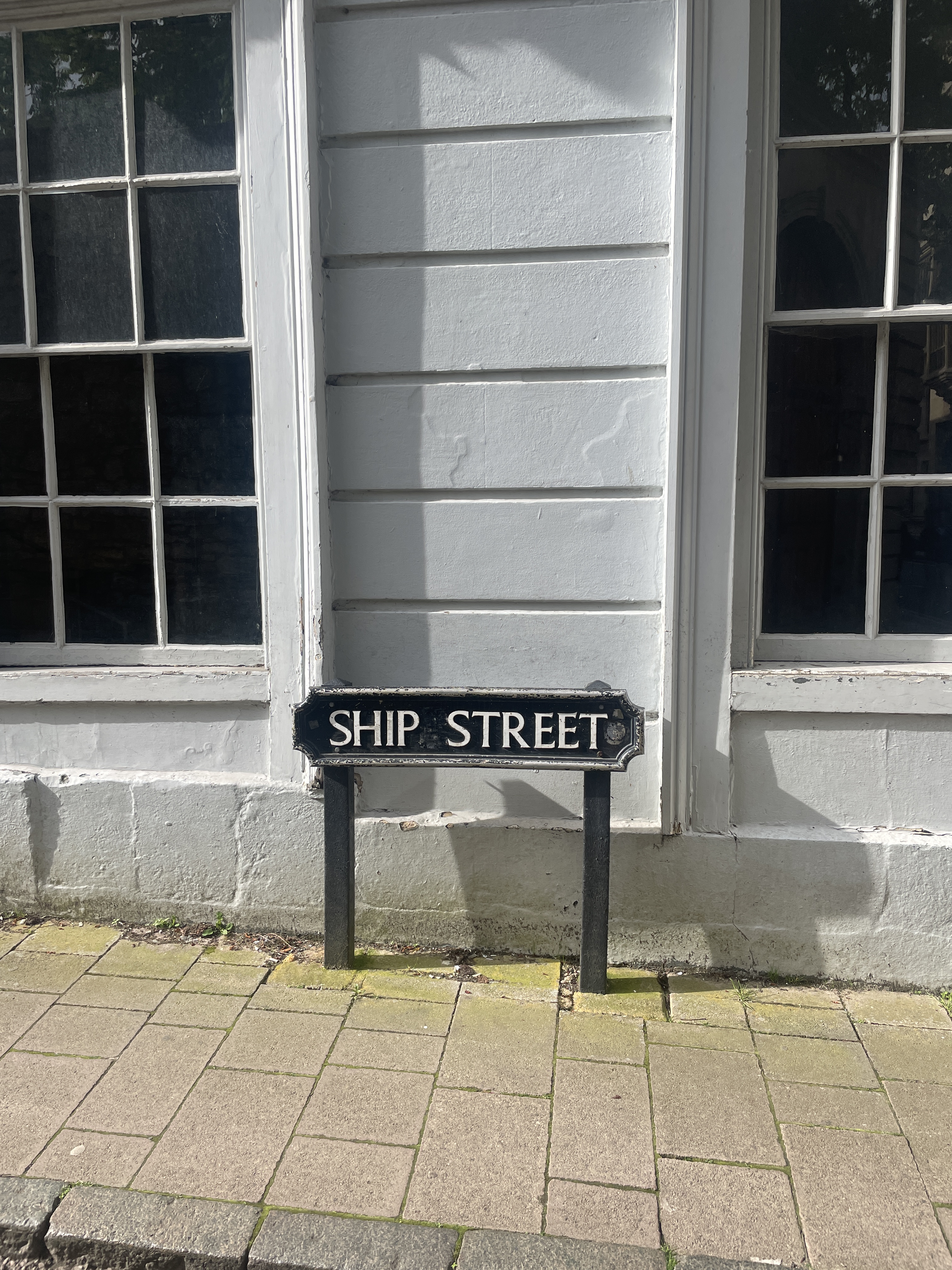
Yes, all the street signs look exactly the same. But don’t let that fool you, not all streets here are created equal. Some, like Cowley Road, are bustling at all hours of the day and night, always with something to see or smell or eat (all of the best restaurants are here). Some, like Little Clarendon, are quaint—home to at least two wine bars. And on some, like the High Street, you will be fined £35 if you drive down it in a motor vehicle between the hours of 7am and 7pm on weekdays (you may miss the tiny sign that alerts you of this, the Council does need to make money somehow).
door knockers and numbers




alarm bell boxes


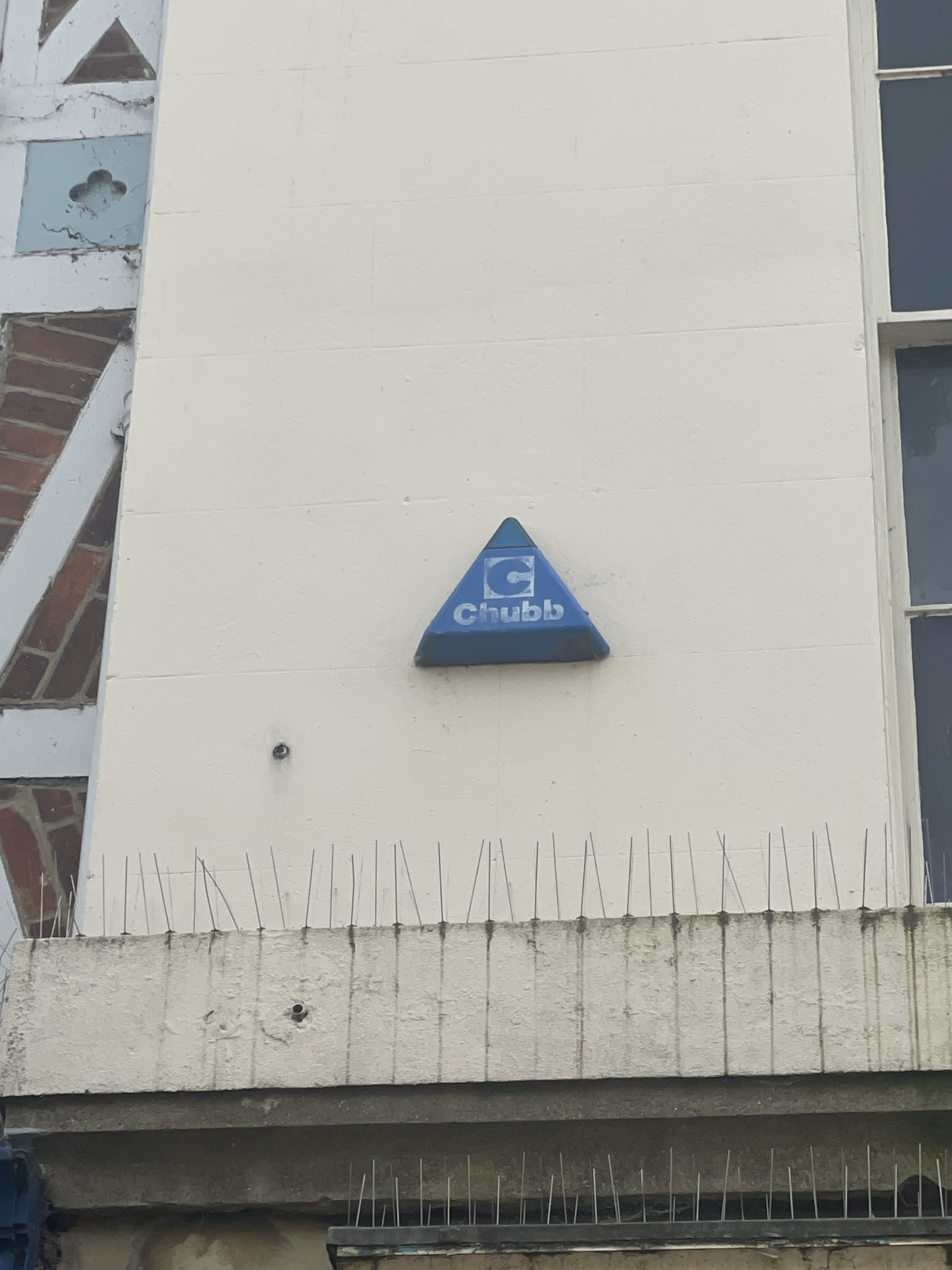


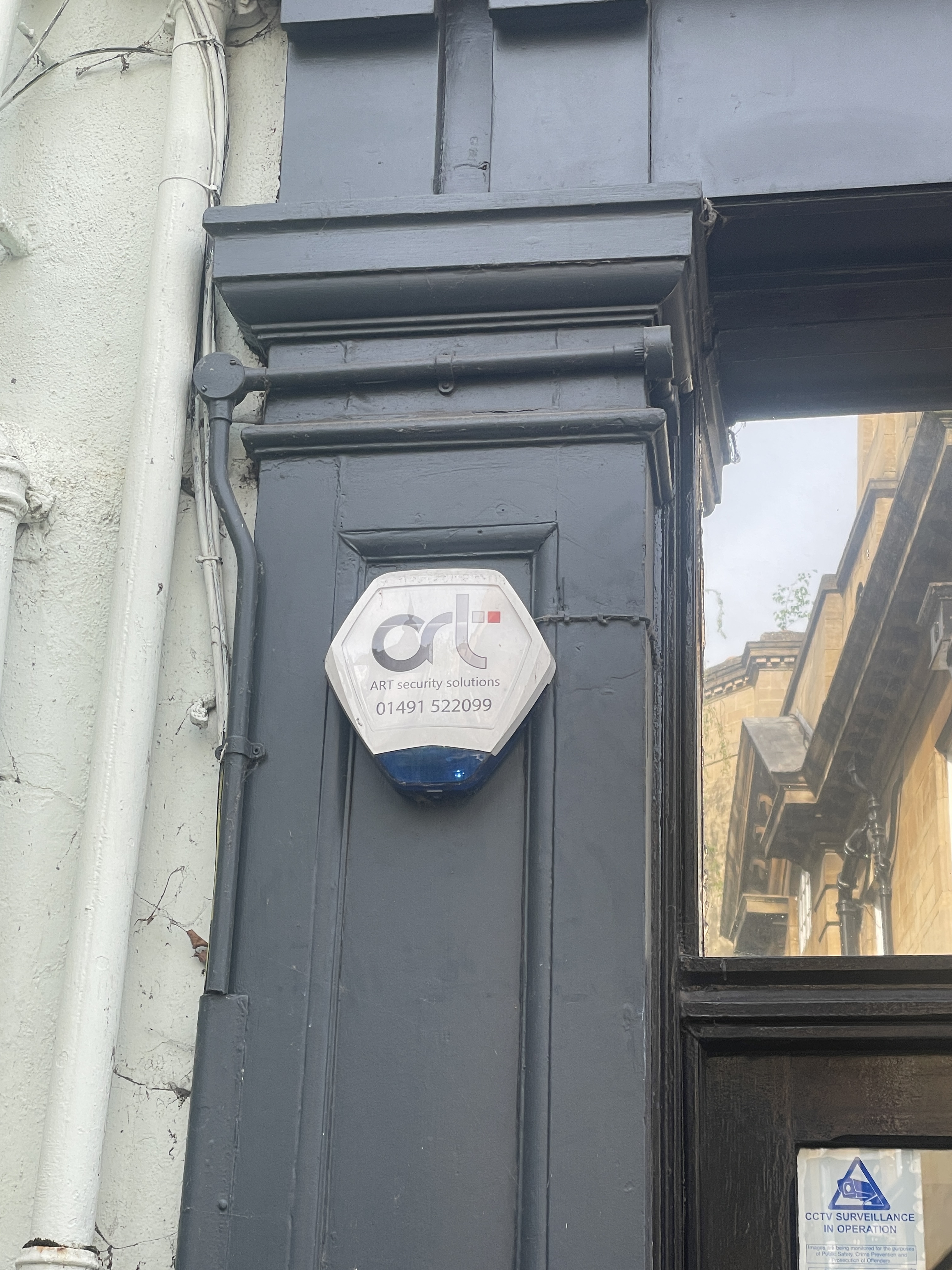
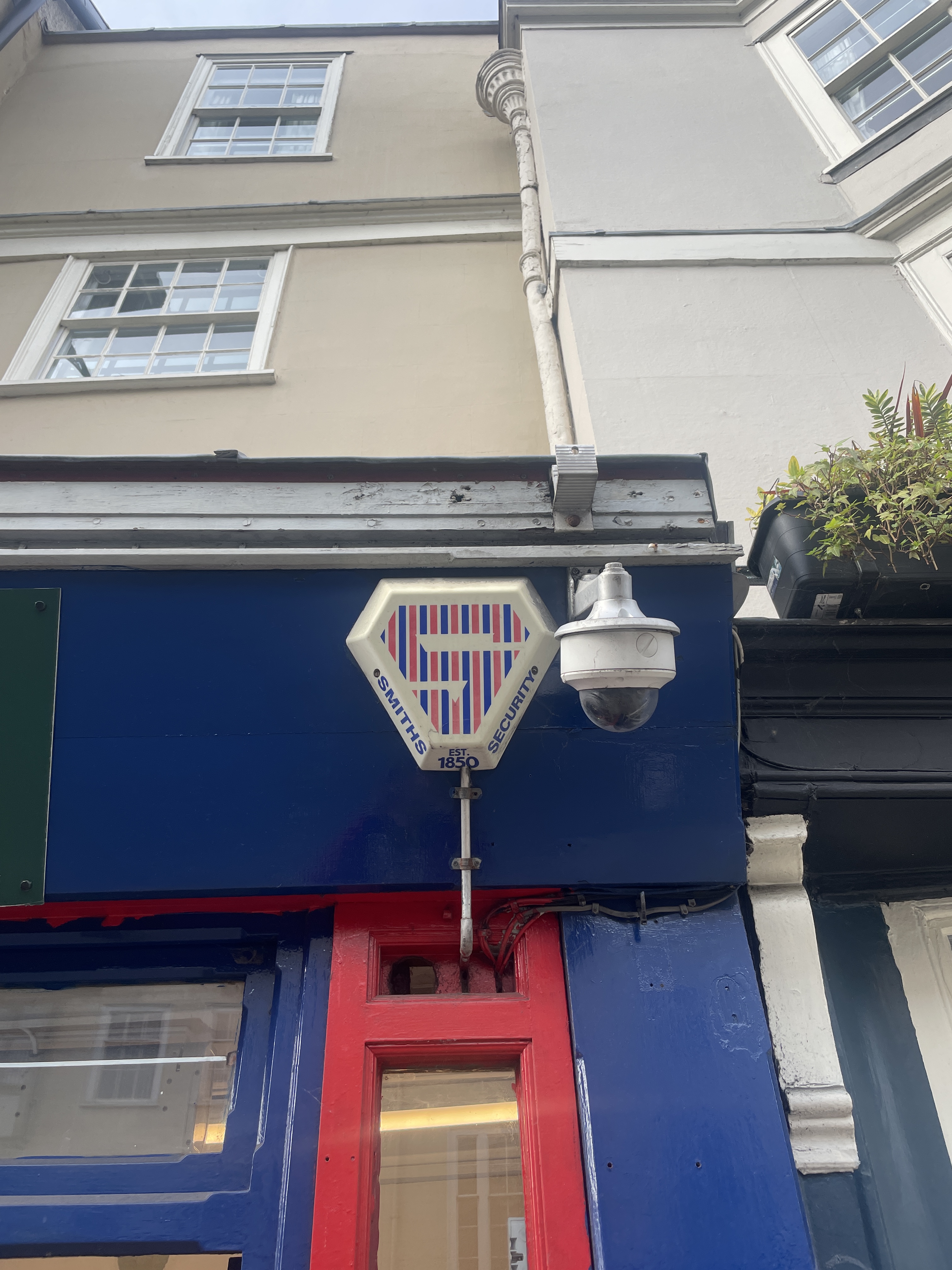

Alarm bell boxes (apparently also, ‘dummy boxes’) are a classic component of British alarm systems, mounted outside homes and buildings as both functional alarms and as visible deterrents to would-be intruders. Historically, these boxes housed bells or sirens that would, well, sound the alarm in case of a break-in; even now, many of these boxes contain lights and alarms, flashing and sounding if an alarm is triggered (I cannot confirm this firsthand as I’ve never heard or seen even one go off, despite having tiptoed around the caution-taped, sidewalk-strewn aftermath of several break ins).
But some [sic?–most?] of these covers, especially those that look a bit weathered, are actually decoys. Over time, they’ve become so common that even as technology has advanced, the boxes themselves remain a familiar part of the streetscape.
no bicycles signs
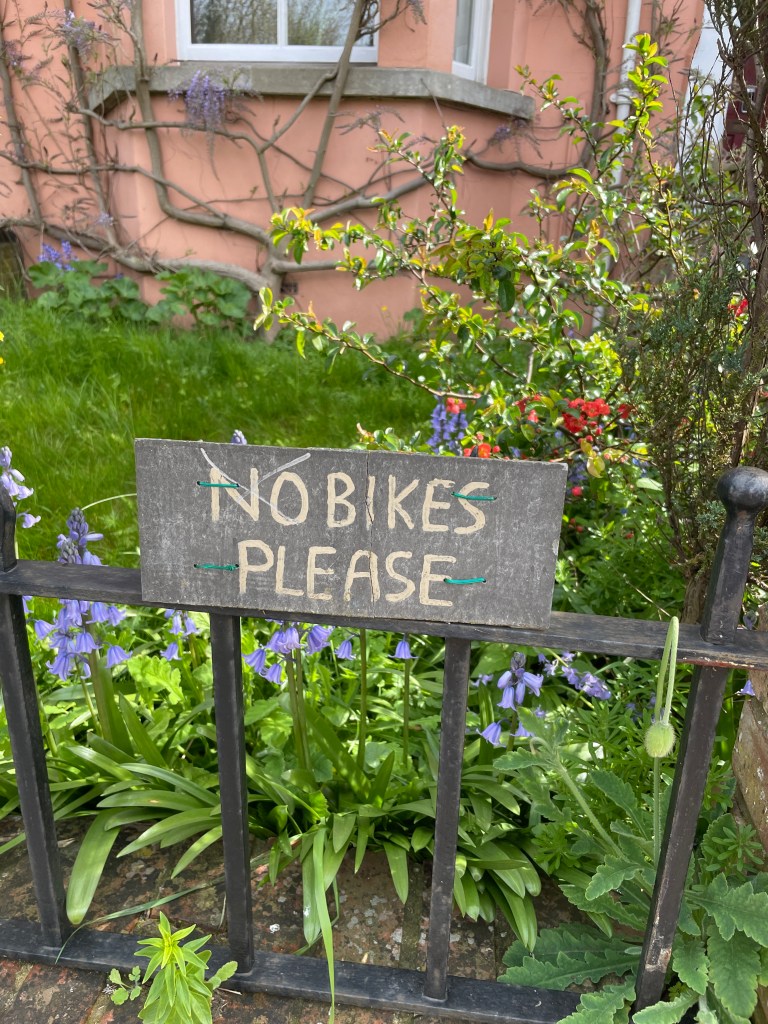
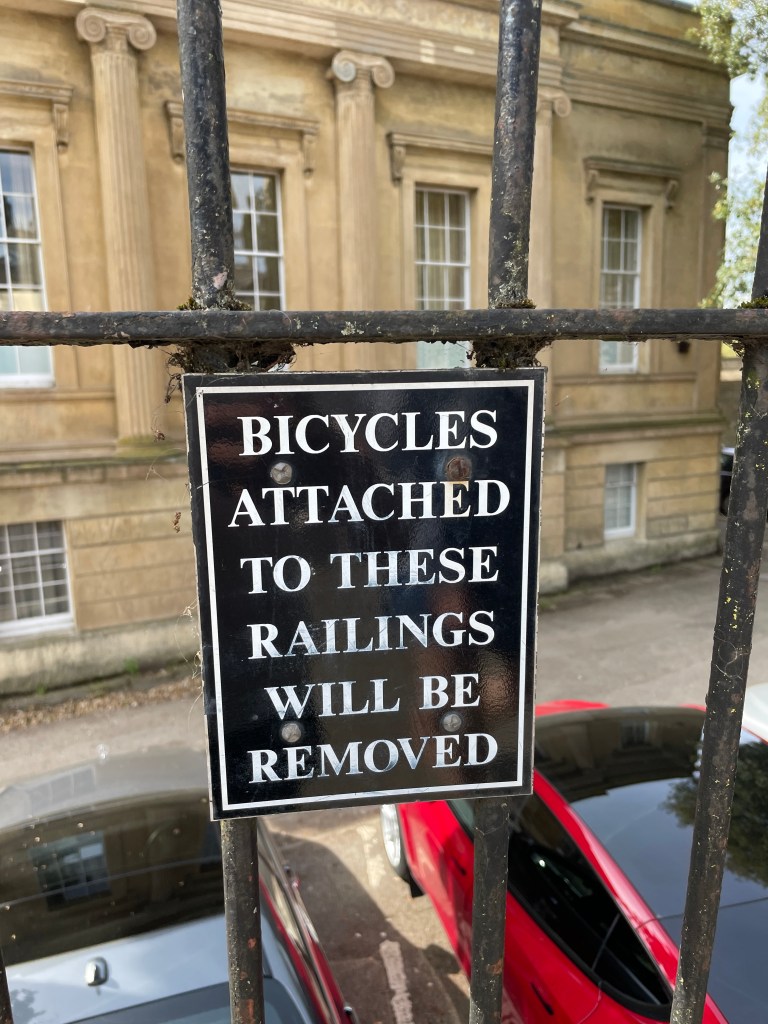


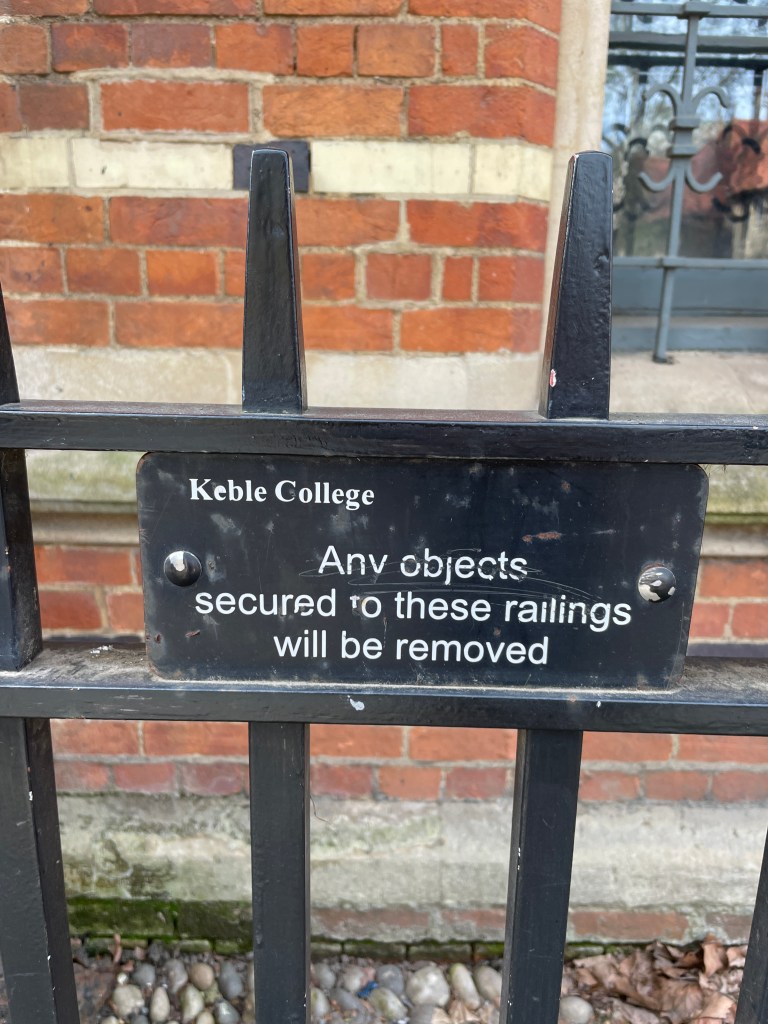
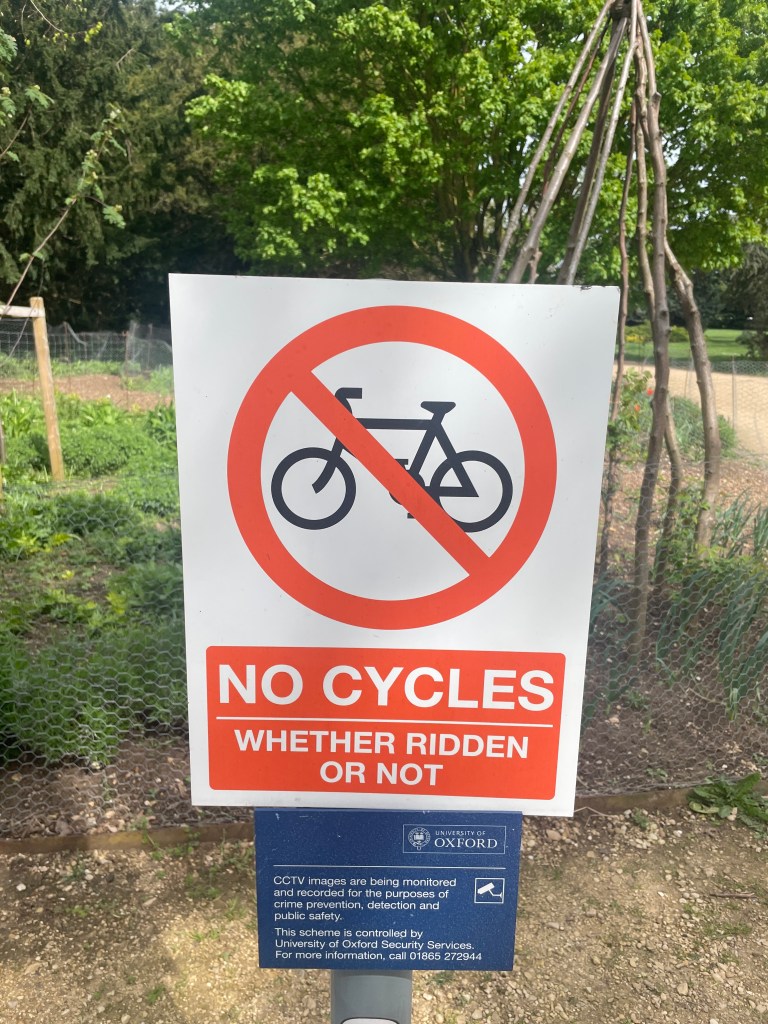
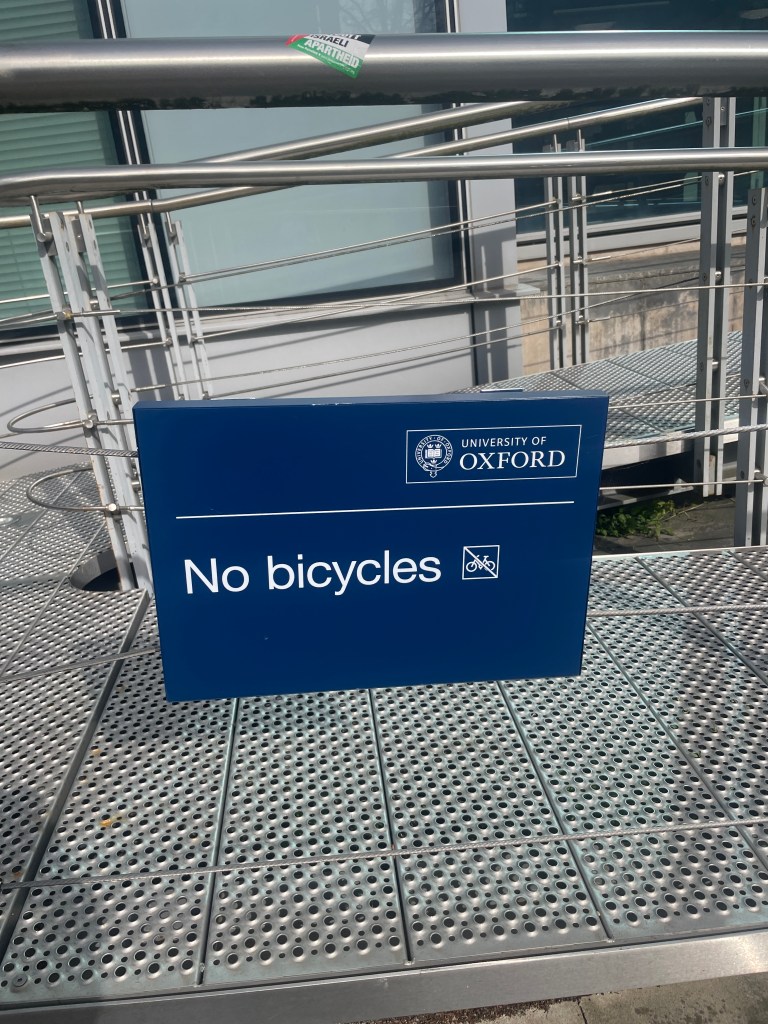
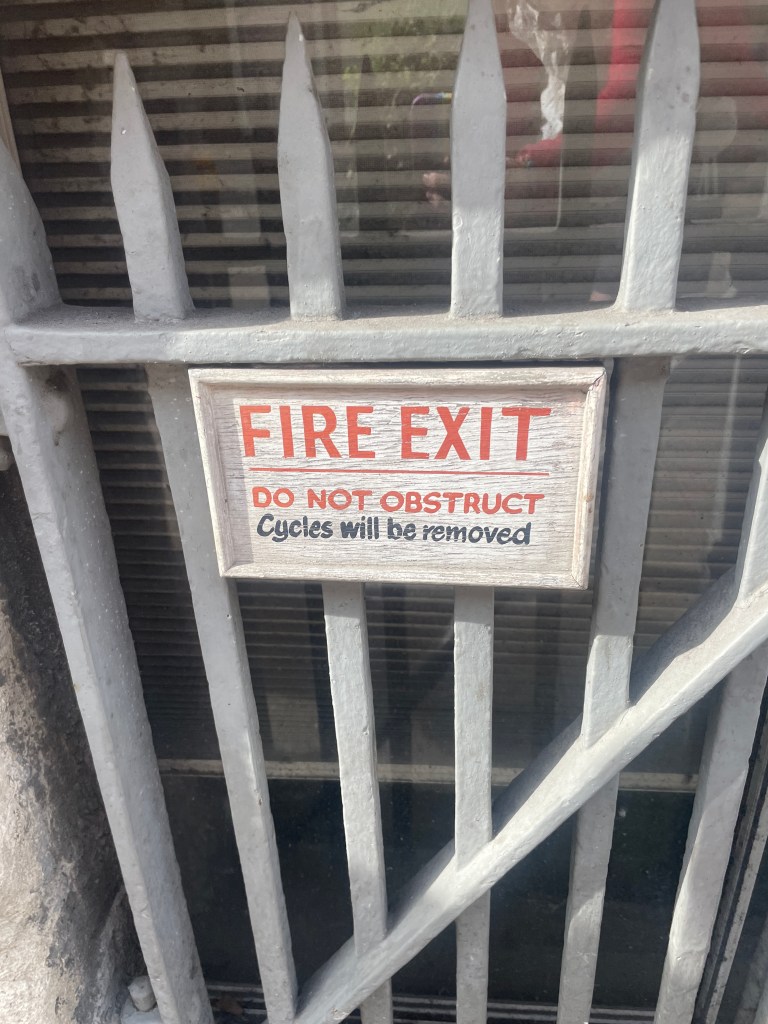

Driving into Oxford from the Ring Road, you’re welcomed with a big blue sign: “Oxford, A Cycling City.” Bike lanes around the city are stretching wider every year, yet anyone who’s been squished between two buses while trying to enter Magdalen Roundabout knows that Oxford’s cycling charm has its hazards. Oxford seems to juggle its dedication to cyclists and a certain resistance to them––new bike lanes appear as fast as “No Bicycle” signs pop up on narrow streets, college gates, outside the pub or the GP. Sometimes the signs are there to protect access and sidewalks, and sometimes we can’t help but think a few are an attempt to protect purely the aesthetic.
old rebar and pipes





 Emma Madden